
Rare Disease Pipeline
Explore our current research and clinical trials involving the QTORIN™ platform.
Rare Disease Pipeline
Explore our current research and clinical trials involving the QTORIN™ platform.
Our Platform
Our Pipeline
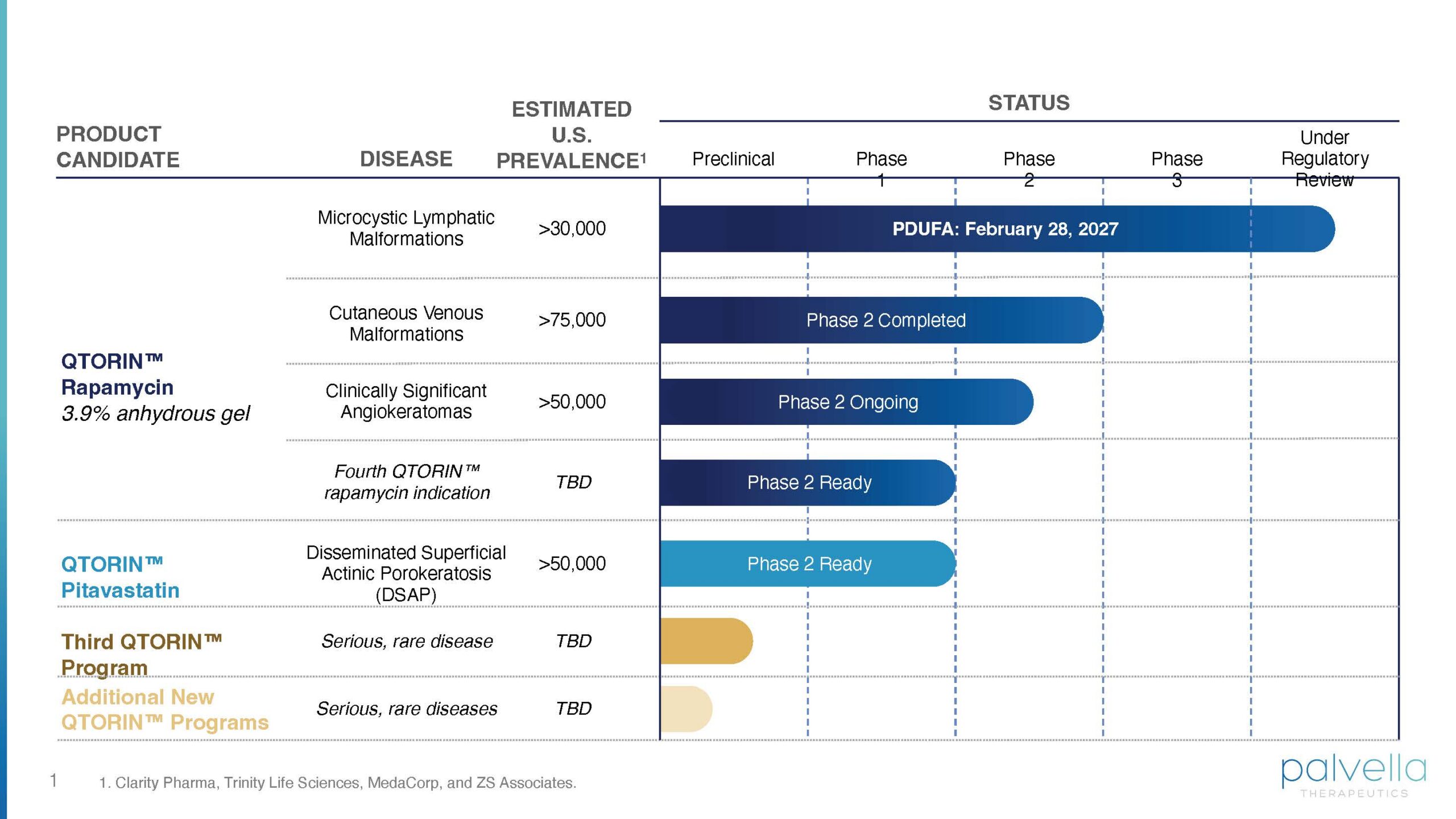
Palvella Therapeutics is leading the way in developing new treatments that have the power to change lives. Our deep rare disease pipeline gives us the opportunity to be first-line, standard-of-care treatment in several serious, rare skin diseases and vascular anomalies.
The Power of QTORIN™ rapamycin
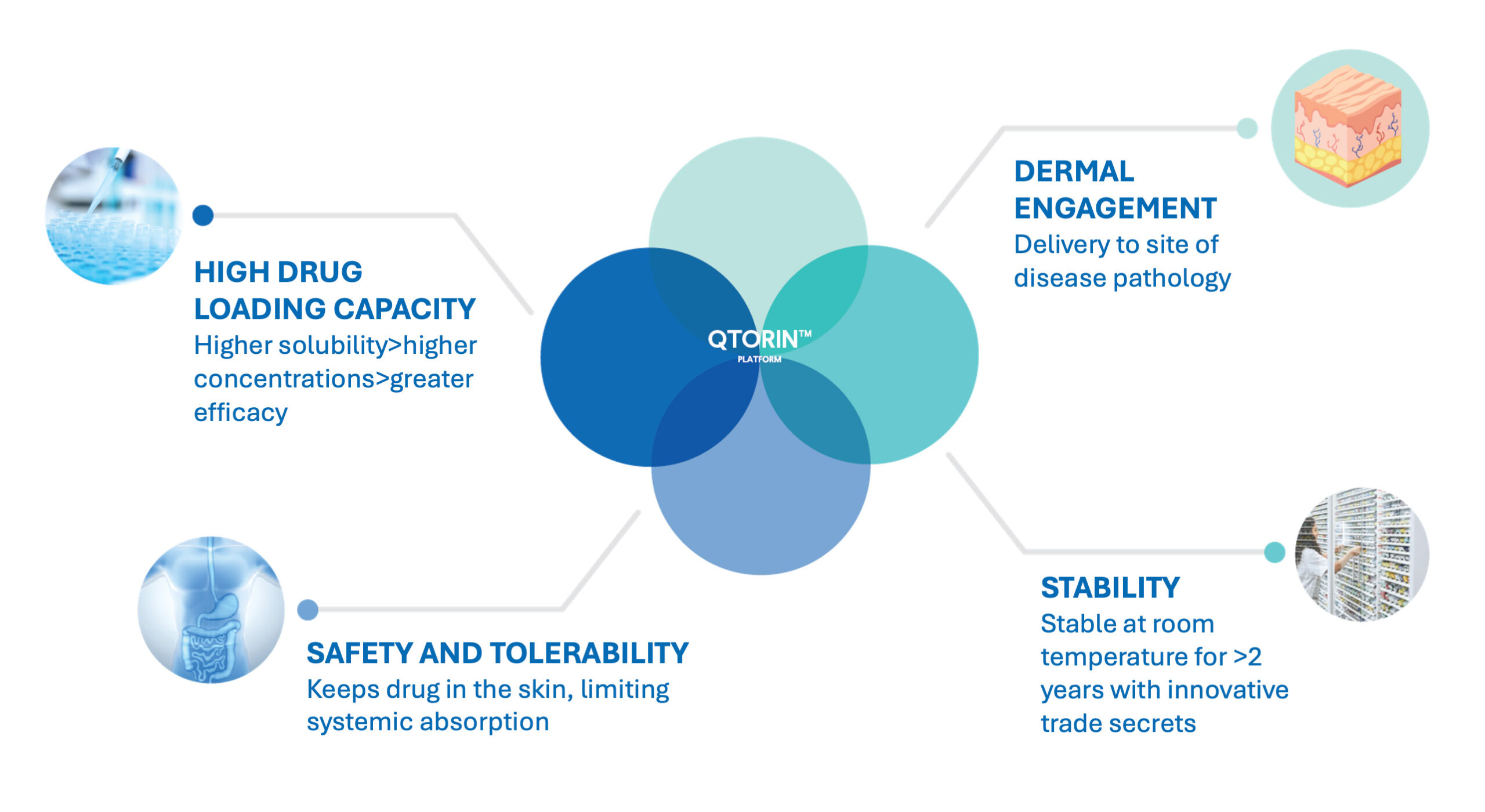
Rapamycin has long been studied as a possible treatment for skin diseases. But when taken by mouth, little of it reaches the skin, and applying it directly to the skin has proven difficult. Rapamycin is a large molecule, so it does not easily pass through the skin to reach the deeper layers where many of these diseases begin. It also does not dissolve well and breaks down easily, which can keep enough of the drug from getting into the skin. At the same time, a good topical treatment needs to stay in the skin rather than being absorbed into the bloodstream. QTORIN™ 3.9% rapamycin anhydrous gel (QTORIN™ rapamycin) has been developed to overcome these challenges by:
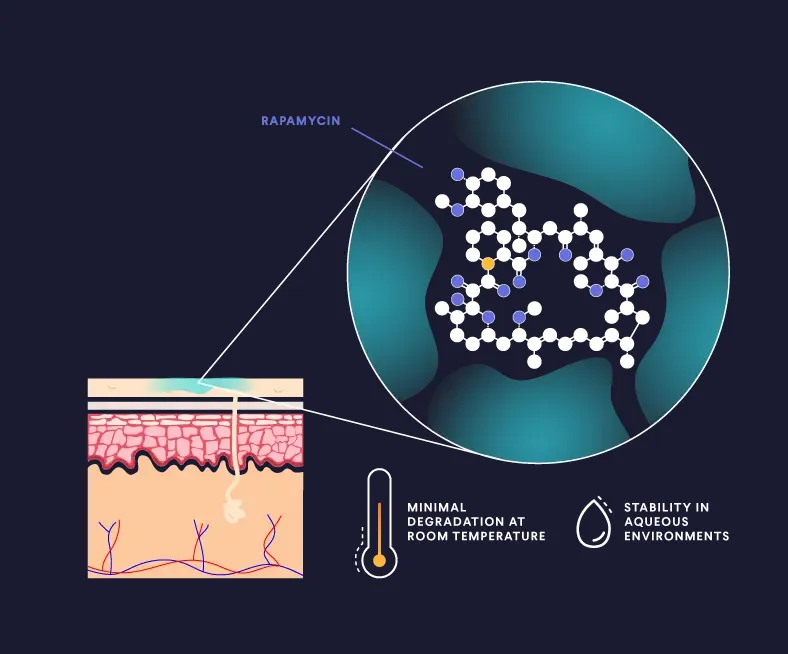
- Delivering rapamycin directly to the site of disease, usually within the deep layers of the epidermis or dermis. An anhydrous gel keeps the 3.9% rapamycin fully dissolved, helping it penetrate the skin.
- Keeping rapamycin stable, since it tends to form crystals and break down. QTORIN™ rapamycin did not form crystals in stability testing and stays stable at room temperature in our pump dispenser for long periods.
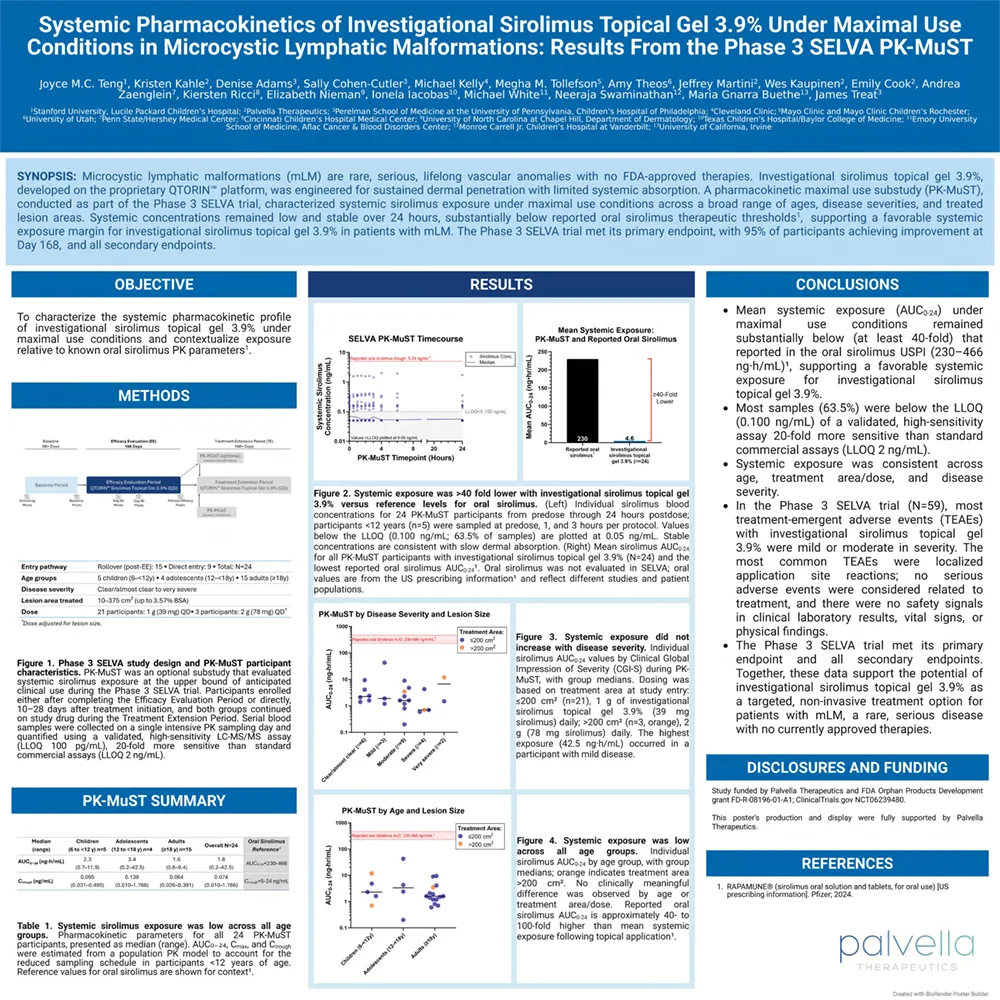
- Offering a high-strength formula designed to work where it is applied, with little of the drug absorbed into the bloodstream.
Microcystic Lymphatic Malformations
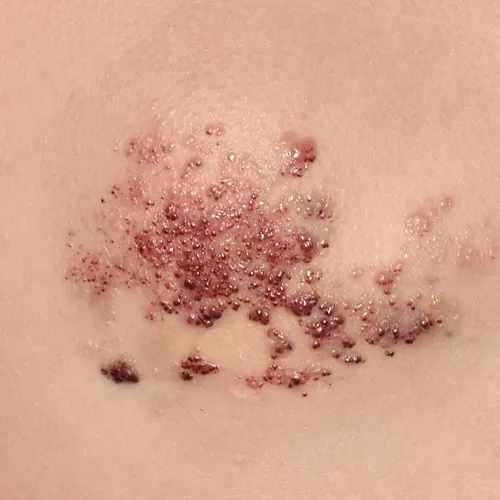
Microcystic lymphatic malformations (microcystic LMs) are a rare, chronically debilitating genetic disease driven by overactivation of the PI3K/mTOR signaling pathway, which controls cell growth. It causes abnormal lymphatic vessels (part of the body’s fluid drainage system) to push through the skin, where they can leak fluid and bleed, often leading to repeated, serious infections. Over time, these vessels grow in number and size, causing worsening symptoms, complications, and lifelong health problems. There are currently no FDA-approved treatments for the estimated more than 30,000 children and adults diagnosed with microcystic LMs in the United States.
More
QTORIN™ rapamycin is a novel targeted therapy designed to inhibit the overactive signaling pathway that drives microcystic LMs. It is formulated to deliver rapamycin deep into the skin’s lower layer (the dermis), where the disease originates.
QTORIN™ rapamycin has received Breakthrough Therapy, Orphan Drug, and Fast Track designations from the FDA for the treatment of microcystic LMs. The Phase 3 SELVA trial was supported by an FDA Office of Orphan Products Development grant.
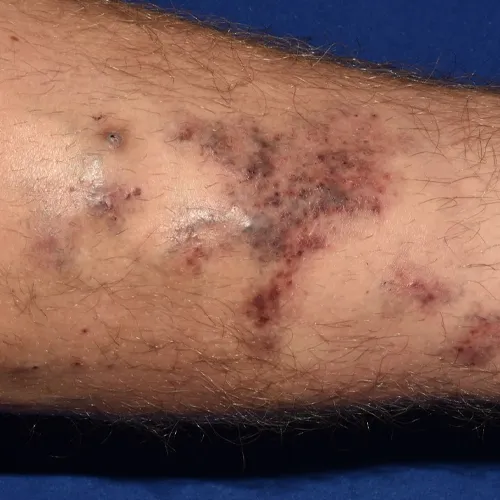
Cutaneous Venous Malformations
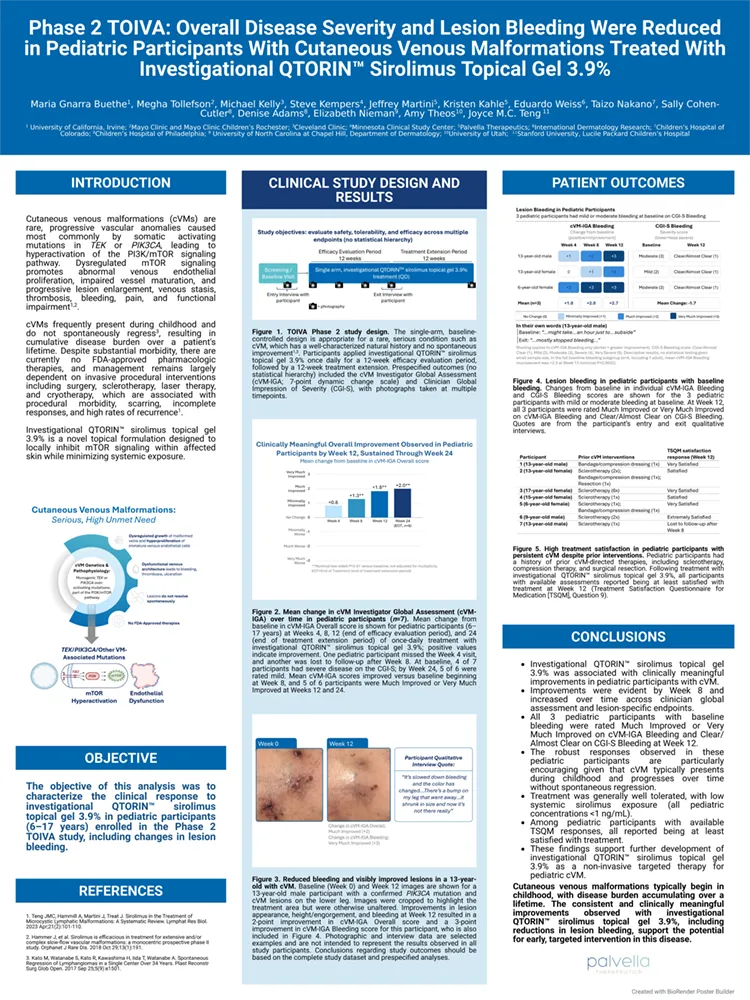
Cutaneous venous malformations (cutaneous VMs) are a rare genetic disease caused by mutations that drive overactivation of the PI3K/mTOR cell-growth pathway, leading to abnormal veins in the skin. These malformations can cause severe bleeding, blood clots, and other complications, along with serious health problems and difficulty with daily activities that significantly affect quality of life. There are currently no FDA-approved treatments for the estimated more than 75,000 people in the U.S. living with cutaneous VMs.
More
QTORIN™ rapamycin is a novel targeted therapy being studied for cutaneous VMs. Designed to inhibit the overactive pathway behind cutaneous VMs, it is formulated to deliver rapamycin directly into the deeper layer of the skin, where the abnormal veins are located.
QTORIN™ rapamycin has received Fast Track designation from the FDA for the treatment of cutaneous VMs.
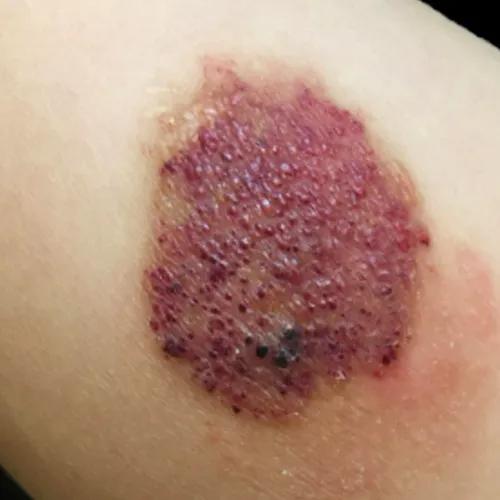
Clinically Significant Angiokeratomas
Clinically significant angiokeratomas are malformations of small lymphatic vessels near the surface of the skin. They are caused by increased growth signaling (VEGF and mTOR), which leads to widened vessels and thickening of the skin’s outer layer. In 2025, the International Society for the Study of Vascular Anomalies (ISSVA) classified angiokeratomas as an isolated lymphatic malformation. These lesions can cause serious health problems, including repeated bleeding, pain, difficulty with daily activities, and risk of infection, and can significantly affect quality of life. Angiokeratomas can worsen over time, growing in size and number and spreading, and do not go away on their own. Despite the significant burden of disease, there are currently no FDA-approved treatments for the estimated more than 50,000 people in the U.S. living with clinically significant angiokeratomas.
More
QTORIN™ rapamycin is a novel targeted therapy being studied for clinically significant angiokeratomas. Designed to inhibit the overactive mTOR signaling behind angiokeratomas, it is formulated to deliver rapamycin directly into the deeper layer of the skin, where the abnormal lymphatic vessels are located.
QTORIN™ rapamycin has received Fast Track designation from the FDA for the treatment of angiokeratomas.
The Innovation Behind QTORIN™ Pitavastatin
Pitavastatin, a cholesterol-lowering drug (statin) that blocks a process in the body called the mevalonate pathway, has been studied as a possible treatment for skin diseases, but getting it to the site of disease has proven difficult. Like all statins, pitavastatin breaks down easily, which makes it hard to create a stable product for the skin. It also does not pass through the skin easily, and a good topical treatment needs to stay in the skin rather than being absorbed into the bloodstream. QTORIN™ pitavastatin has been developed to overcome these challenges by:
- Delivering pitavastatin directly to the site of disease, usually within the deep layers of the epidermis or dermis.
- Keeping pitavastatin stable, since it tends to break down easily. The QTORIN™ pitavastatin formula stays stable at room temperature in our pump dispenser for long periods.
- Offering a high-strength formula designed to work where it is applied, with little of the drug absorbed into the bloodstream.

Disseminated Superficial Actinic Porokeratosis
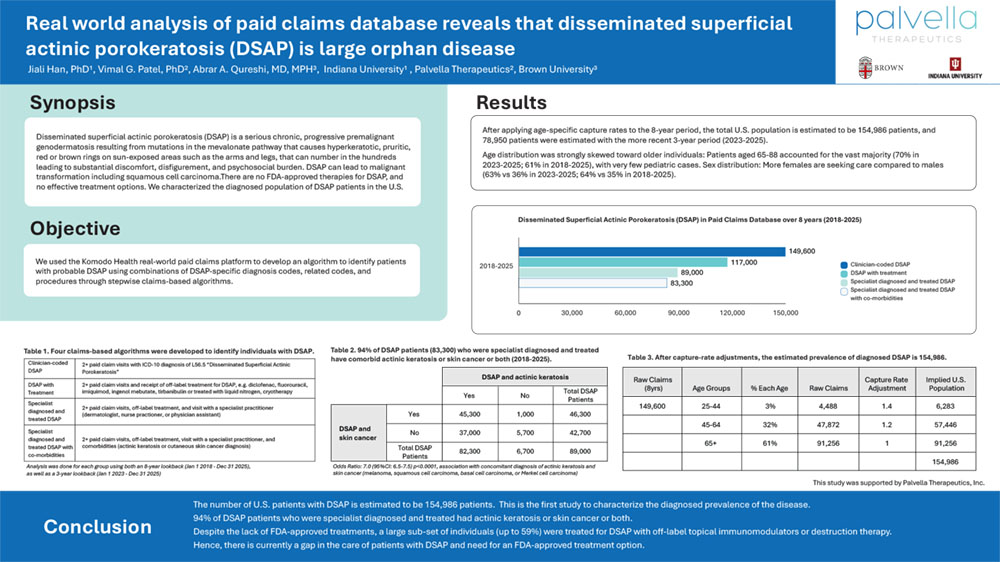
Disseminated superficial actinic porokeratosis (DSAP) is a rare genetic skin disease that gets worse over time. It is caused by mutations in genes of the mevalonate pathway, which makes cholesterol and other substances the skin needs to function normally. These mutations cause harmful byproducts to build up in the skin, disrupting normal skin cell development. It causes lasting, spreading patches, mostly on sun-exposed skin. Over time, these patches can grow in number and size and may turn into a type of skin cancer called squamous cell carcinoma. The disease significantly impacts quality of life, and there are currently no FDA-approved treatments for the estimated more than 50,000 people in the U.S. living with DSAP.
More
QTORIN™ pitavastatin is a novel therapy being developed to target the underlying cause of DSAP. Pitavastatin blocks a key enzyme early in the mevalonate pathway, ahead of the faulty enzymes, to reduce the buildup of harmful byproducts that drives the disease. QTORIN™ pitavastatin is formulated to deliver pitavastatin directly into the affected layers of the skin with little absorbed into the bloodstream, with the goal of restoring healthy skin.
References
1. Data on File